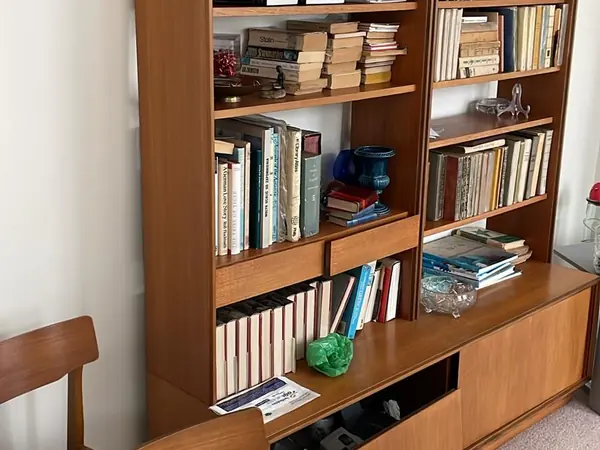
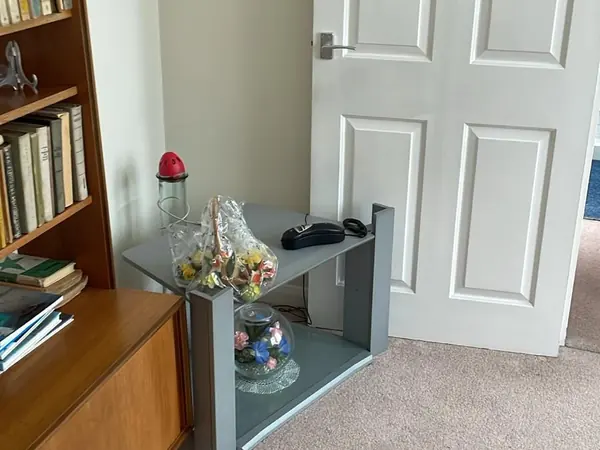
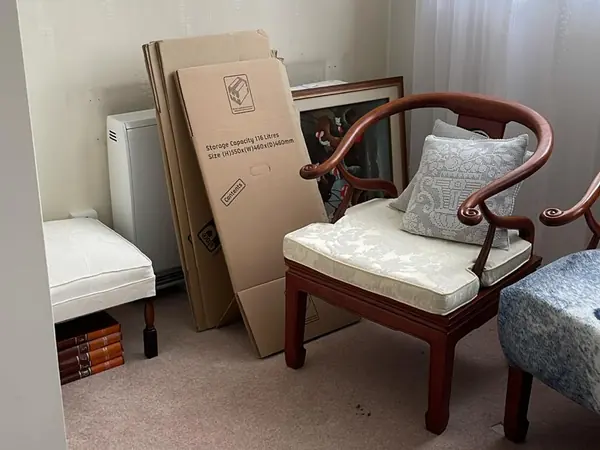
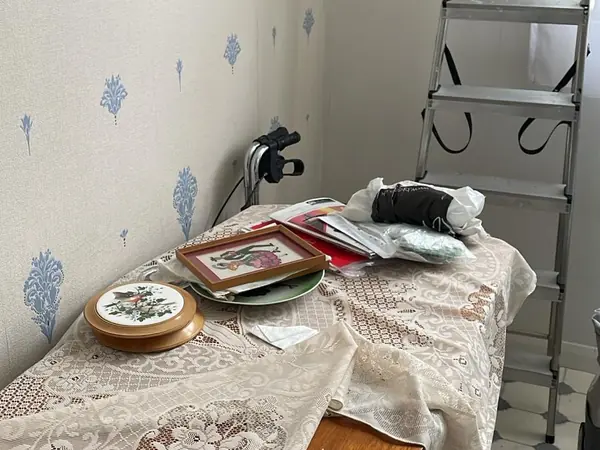
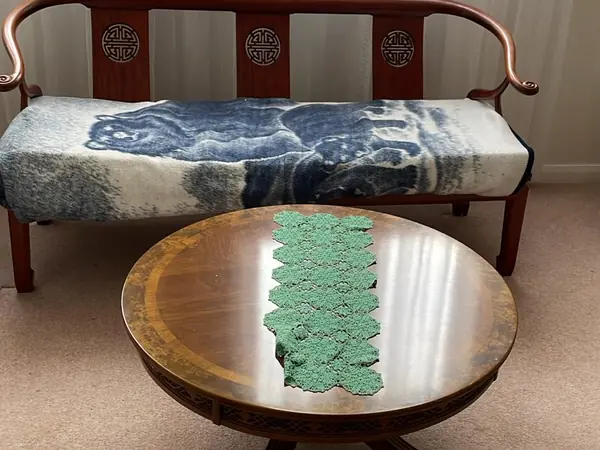
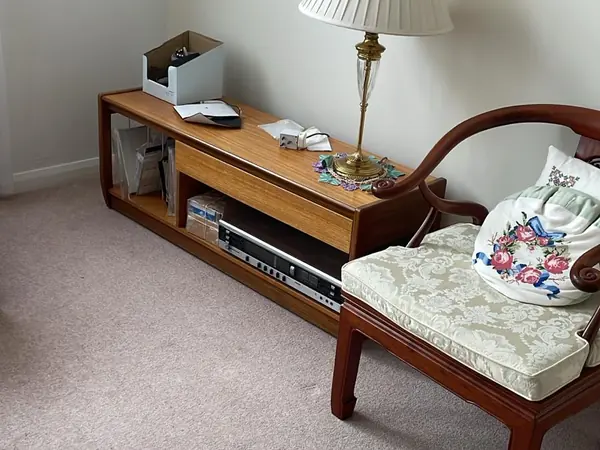
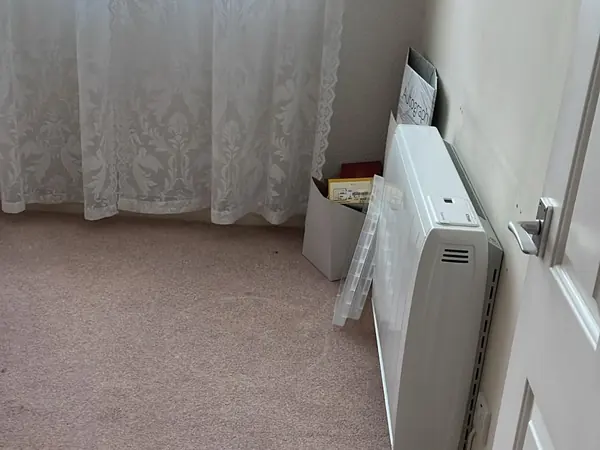
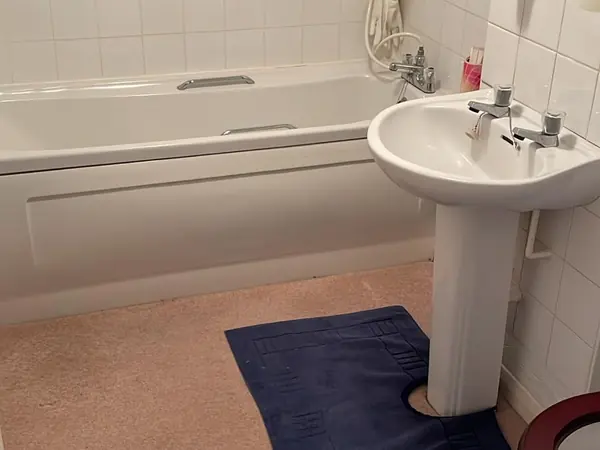
House clearance in Macclesfield has three different faces: the narrow silk-town terraces, the interwar semis on the flat, and the stone houses out on the hill lanes where a garage has been quietly swallowing things since about 1971. We have been doing this work since 2007. Most of the calls come from somebody settling an estate, and most days are one house, one team, one van coming and going — but not all of them.
One booking came in for late September 2024, and the paperwork landed long before the van did. The customer had written to us in the middle of July, then gone quiet for a couple of months while the family got things into place. The email that finally fixed a date apologised for the delay and asked for the 23rd or any day after it. What we were clearing wasn't only the house. There were the main rooms, three garden areas and three workshops, all marked up on plans he sent through — G1, G2 and G3 for the gardens, W1 to W3 for the workshops — with photographs to match. That is rare. Most people describe a house down the phone and we work the rest out on the doorstep.
He had thought about the vans, too. Three ways in, numbered on a photograph. One came across a green and he reckoned that would be the handiest for us, though he suggested a strim through the long grass first. Another, in his own words, "may be a little tight for one of your vans". The third opened into the rear garden. Two of the three crossed a neighbour's ground, and permission had already been asked for and given, with the neighbour to be told the date once it was confirmed. Access settled before we ever turned up. That is not how it usually goes.
The rest of that email answered questions we hadn't got round to asking. The house was standing empty, nobody living in it. He had been down our list of things we need declaring and came back with "Verminous clearance - nothing applicable from your list." No mattresses, no fridges or freezers, no televisions, no POP-classed upholstery, nothing in gas cylinders. And then the line the lads still repeat to each other: "Windows and doors -these will be opened first thing on the day of the clearance." Somebody had thought about what six hours of hauling furniture does to the air in a shut-up house. After that: "between 1-3 members of the family at any one time will be there to help and answer any queries" — which meant the team leader had somebody to ask about every doubtful item instead of guessing at it. Two loads went out over the day. Main house, three garden areas, three workshops, floors swept, done.
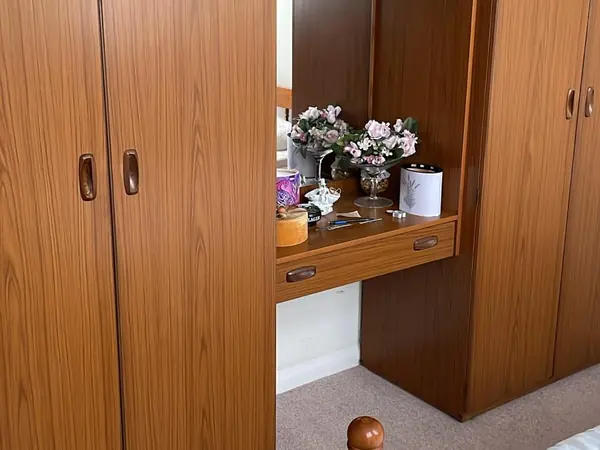
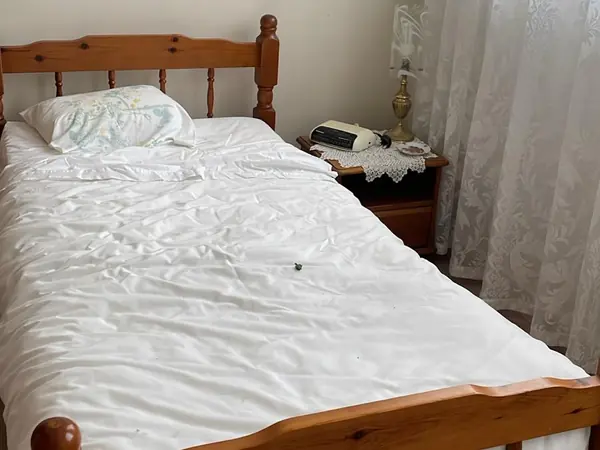
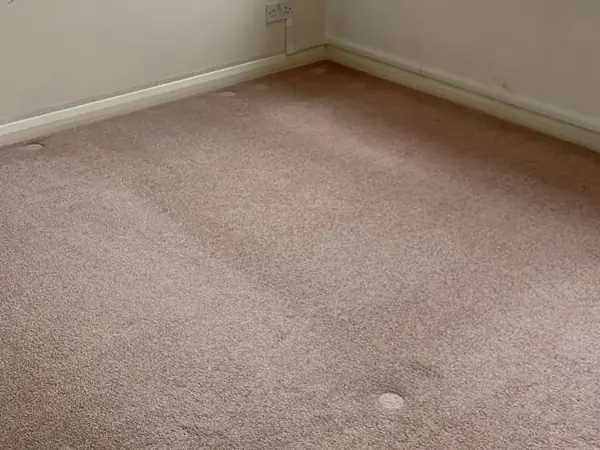
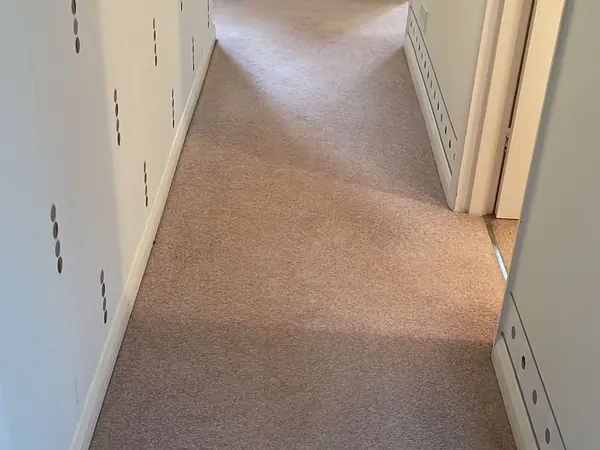
A day like that runs to a shape, and so does a plain house clearance Macclesfield way. The team is at the door for nine, has a walk round with whoever's holding the keys, and takes photographs before anything moves — not for show, but so there's a record of the rooms as we found them. Then it's room by room. Nothing needs boxing up beforehand. Wardrobes get emptied, drawers get emptied, the backs of cupboards where the good crockery has sat since 1974 get emptied, and the floors get swept through at the end. Mattresses travel on their own because they can't go in a mixed load, and upholstered seating — sofas, armchairs, dining chairs with padded seats — has its own regulated route under the POPs rules, which have applied since 2023. That's the law about where a thing ends up, not a preference of ours.
What the silk streets do to a day
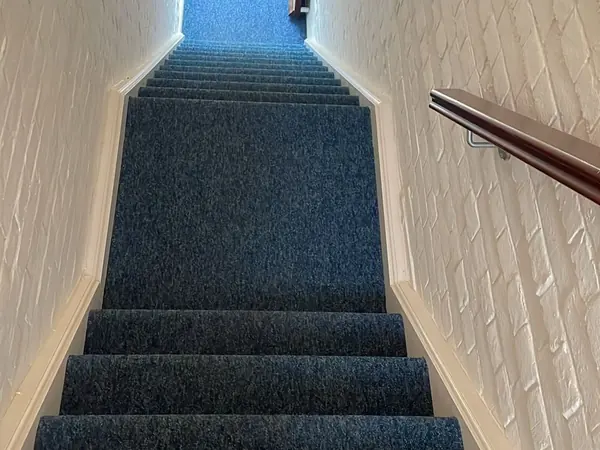
Macclesfield's houses set the pace as much as the contents do. The old silk streets running down towards Sunderland Street and up round Hurdsfield are narrow terraces, often with the long weavers' windows on the top floor and a staircase that turns twice on its way up there. You cannot swing a wardrobe round that turn. It comes apart on the landing or it doesn't come out at all, and either way somebody is walking it down in pieces.
The interwar semis at Broken Cross and the post-war estates at Weston are kinder — a driveway, a straight run to the pavement, a garage that usually holds more than the house did. Out towards Prestbury, Rainow and the Sutton lanes you get stone houses with cellars, outbuildings and gardens that have quietly absorbed forty years of things nobody wanted to throw away. Parking is the thing we ask about first on any house clearance Macclesfield side of the hill. A caged tipper needs a length of kerb, and on the steeper terraced streets that means an early start, before the road fills up.
We work the whole of the SK10 and SK11 side of Cheshire East from here — Bollington, Prestbury, Tytherington, Hurdsfield, Gawsworth, Broken Cross and Weston, and on up to Alderley Edge, Knutsford and house clearance in Wilmslow. South and west it turns into CW country: house clearance in Congleton, Sandbach, Middlewich, Nantwich and house clearance in Crewe, which has its own page and its own work. Over towards the WA postcodes we've been in Warrington and Widnes. Macclesfield station sits on the West Coast Main Line, which is why a fair number of the people instructing us get a train from Euston or Manchester Piccadilly, open the house up, and go home the same evening.
Where the contents are sorted
Whatever comes out of the house gets sorted rather than tipped. Furniture that's sound, kitchenware, books, tools, unopened bits and pieces — we'd far rather see those reach a charity shop or a reuse project round here than see them crushed, and we'll make the drop ourselves. Metal goes for scrap. Cardboard and paper come off the van separately. What's genuinely finished with goes into a permitted transfer station and comes back to us as a weighbridge ticket, so there's paperwork behind every load rather than a promise. We hold waste carrier licence CBDU419679 with the Environment Agency, and we're insured for the work and for the property while we're in it. Cheshire East runs the household tips, and they're fine for a carload; they are not built for a three-bed house going out in a day.
Some things can't ride in a mixed load at all. Tins of paint, half-used solvent, gas cylinders, oils, anything with an asbestos content — those need declaring up front and handling separately, by their own route. That is exactly why we send the list out beforehand, and why an answer like the one above, going through it item by item, makes the day straightforward. The point is knowing what's there before the morning. Nobody wants a team standing in a shed at half past two working out whether the drum in the corner is diesel or something less friendly.
Probate house clearance in Macclesfield
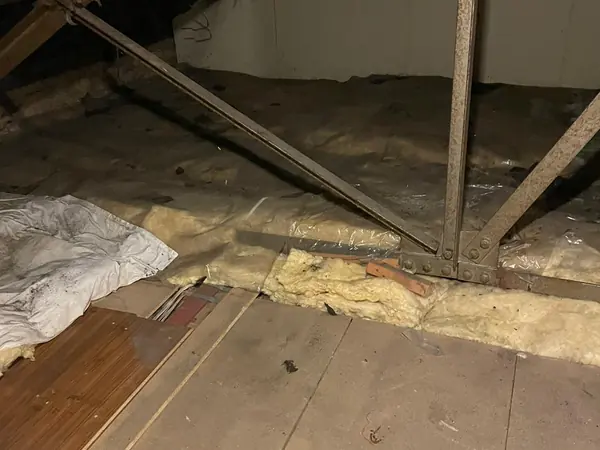
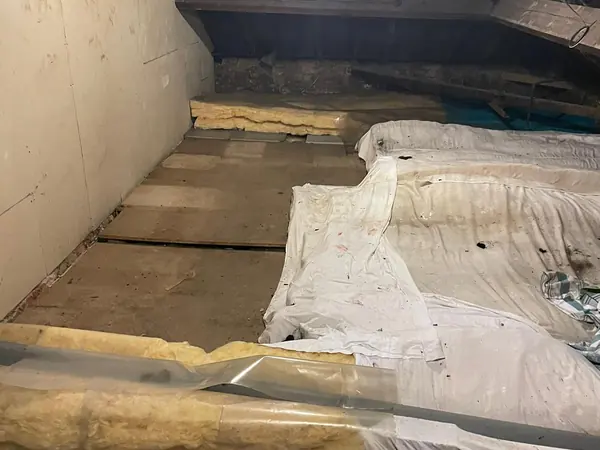
Ring the office on 0800 046 5555 and describe the house, or send a few photographs through the form on this page, and you'll get a figure back. The quote is free and it doesn't commit you to anything. Nobody works a house clearance in Macclesfield off a map or a square-footage table. Somebody looks at what is actually standing in the rooms, including the loft, the garage and the shed, because that is where the surprises live.
Where a solicitor or an executor is dealing with the estate, we invoice them directly, and the invoice can be settled out of the estate rather than out of anybody's own pocket. There is no deposit. The bill follows the work, not the other way round. Probate house clearance is most of what we do around here, and the person instructing us is very often not the person whose name is on the door. If the team gets inside and finds the loft full when the loft was described as empty, they stop and ring you before carrying on, so that nothing lands as a surprise afterwards.
Timing is the question executors ask most, and the honest answer is that it depends less on the paperwork than on the house. Probate can take months; the clearance itself is usually a single day. We can go in before the grant comes through if the executor wants us to — that's a decision for them and their solicitor, not for us. What we'd say is don't book the clearance until you know the beneficiaries have taken what they want, because the awkward conversations always start with a sideboard that went out on the Tuesday and was wanted on the Wednesday. Walk the rooms, put a sticker on anything staying, tell the team leader on the morning, and the rest can go. If a house sale is driving the date, say so — we can usually work back from it.
Keys are the other thing worth settling early. A key safe on the wall, a managing agent, or a neighbour with a spare: all three are normal, and on most probate clearances nobody who is paying is anywhere near the house on the day. So the team photographs every empty room at the end and emails the set over that afternoon, and the keys go back exactly where it was agreed they'd go. Nobody has to take our word for it.
Flat clearance, garage and loft clearance in Macclesfield
Flat clearance is a regular booking here — the converted floors above the shops in the town centre and the blocks out on the newer estates. Shared stair, no lift in the older buildings, and a bay outside that fills early. A garage and loft clearance on its own is just as normal: the loft with the ladder missing, the garage that has not had a car in it for years, the shed behind it. Name all of them when you ring, because they decide the number of loads more often than the rooms do.
Instructed from another county
A lot of our Cheshire work, probate work especially, is instructed from somewhere else entirely. Somebody in Hertfordshire, somebody in Cumbria, somebody in London who grew up here and hasn't lived here for thirty years. On one job the family asked the team to keep an eye out for a resident parking permit somewhere in the house — it saved them a trip to the council. It turned up, went in the post, and the message that came back was mostly relief.
Houses that have filled up over decades don't put us off, and we make no performance out of them. Full rooms, a hallway you turn sideways in, a kitchen that hasn't been cooked in for years — the team has walked into all of it and just gets on with the work, quietly. Same goes for what surfaces in the process. Money in a coat pocket, jewellery in a biscuit tin, deeds and war medals and savings books at the bottom of a wardrobe: it's put aside for you and handed over at the end of the day. None of it goes in the van.
Questions we get asked about house clearance in Macclesfield
How long does a house clearance in Macclesfield take? A two- or three-bedroom house is usually a single day, start to finish, with the floors swept before the team leaves. A stone house on the lanes with a cellar, outbuildings and a full garden can run to two days, and we'll say so at the quote stage rather than halfway through the first afternoon.
Do you do probate house clearance, and can you invoice the solicitor? Yes. We invoice the solicitor, the executor or the estate directly, and it can be settled out of the estate. No deposit is taken and nothing is asked for up front.
Do we need to sort or pack anything first? No. Take out what the family is keeping, put a sticker on anything that stays in the house, and leave the rest where it stands. Wardrobes and drawers can be full.
Which areas do you cover from Macclesfield? All of SK10 and SK11 — Bollington, Prestbury, Tytherington, Hurdsfield, Gawsworth, Broken Cross, Weston, Rainow and the Sutton lanes — plus Alderley Edge, Knutsford and the CW towns south and west of us.
What can't go in the van? Paint, solvents, oils, gas cylinders and anything with an asbestos content, which all need declaring beforehand and go by a separate route. Mattresses and upholstered furniture travel under the POPs rules rather than in a mixed load.
If you've got a house in Macclesfield, Bollington, Congleton or anywhere across the SK and CW postcodes that needs emptying, ring 0800 046 5555 and describe it, or send a few pictures from your phone through the form on this page. You'll get a straight answer and a date, and on the day a team that turns up at nine with the right van for what you've actually got.