Most house clearance work on Hayling Island is decided before the van leaves the yard. What decides it is the bridge. We have been clearing houses since 2007, we are registered as an upper-tier waste carrier. A house clearance Hayling Island job gets planned around that one crossing rather than around the postcode. What follows is one of our clearances told properly, then how we cover PO11, what we can take, what we cannot, and what to do next.
A house clearance where half the kitchen stayed put
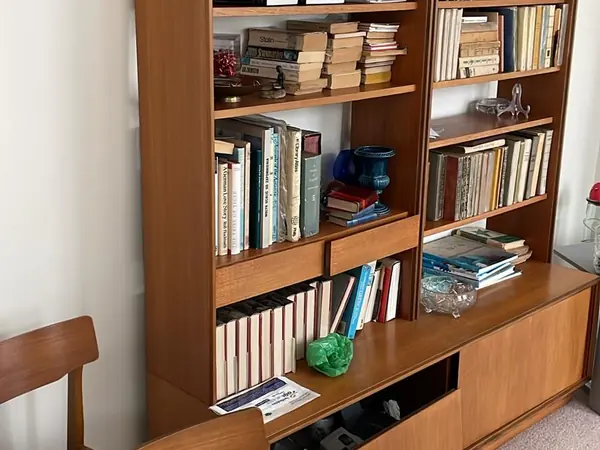
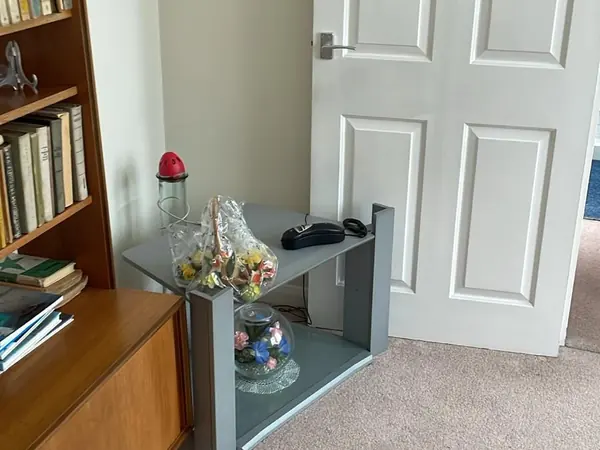
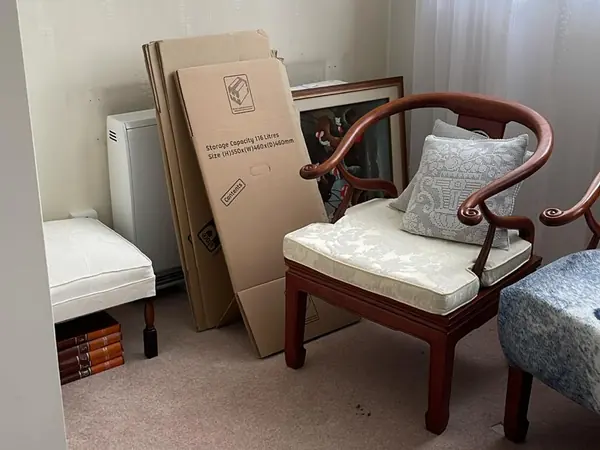
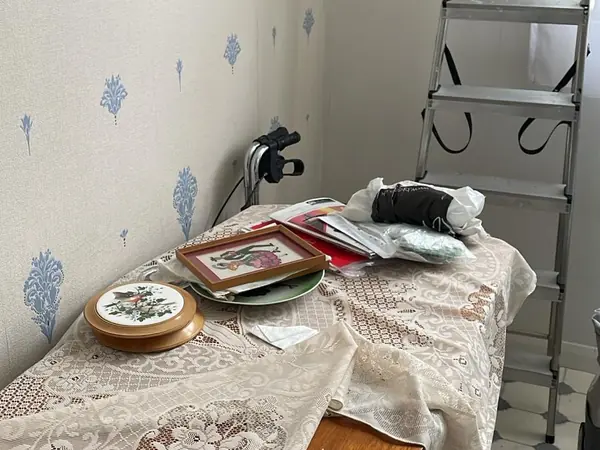
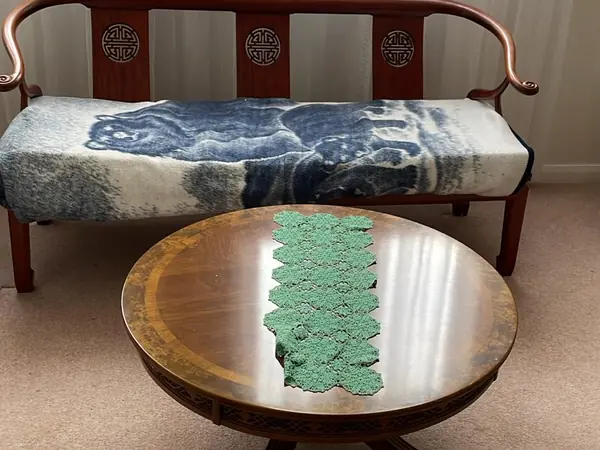
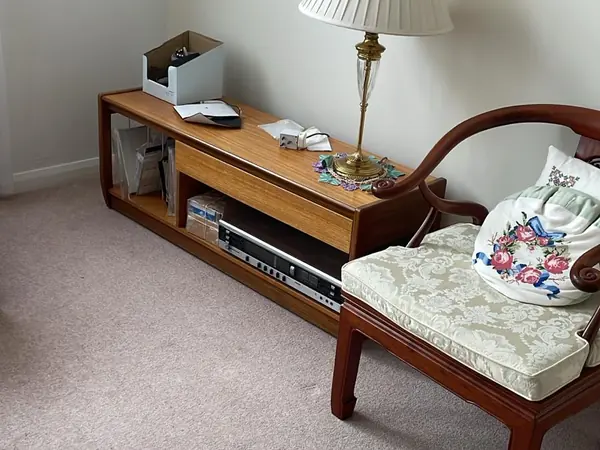
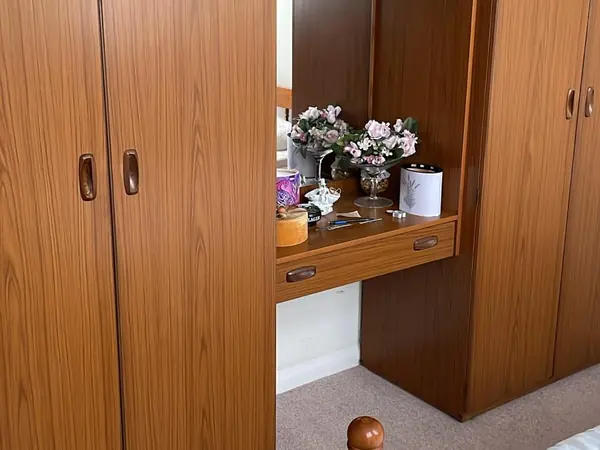
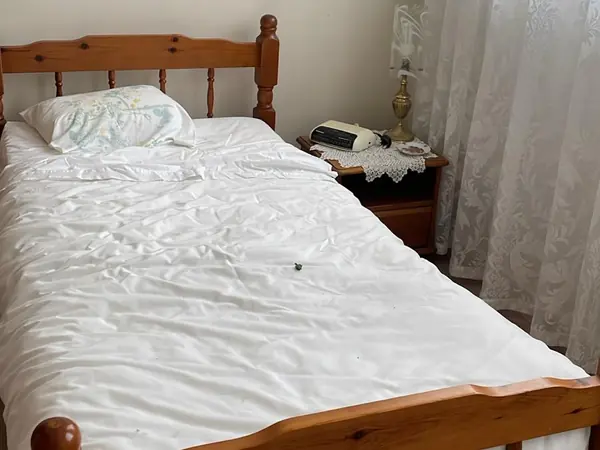
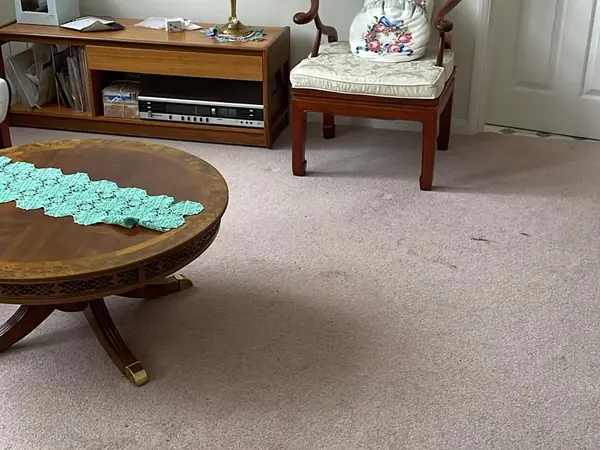
Middle of December, the fifteenth, a two-bedroom bungalow with a sale agreed and completion close. The person organising it lived nowhere near and could not be there on the day. Two full loads went out — one van away and back before the light went — and along with the furniture there was a mattress, a gas bottle out of the shed, a fridge freezer. One upholstered item that had to be booked in and dealt with on its own.
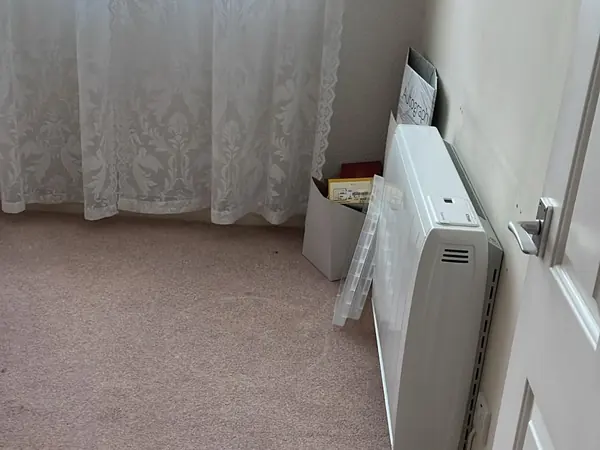
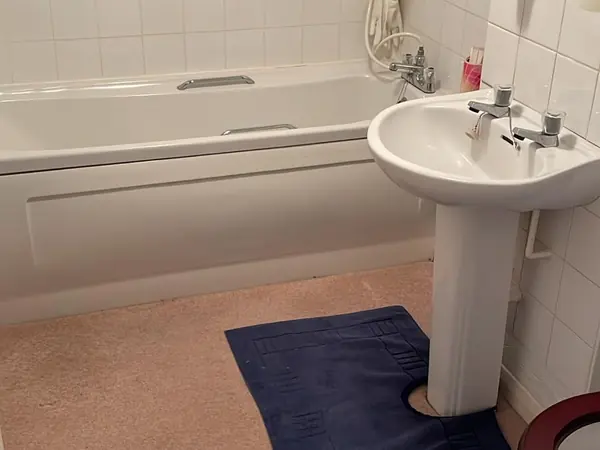
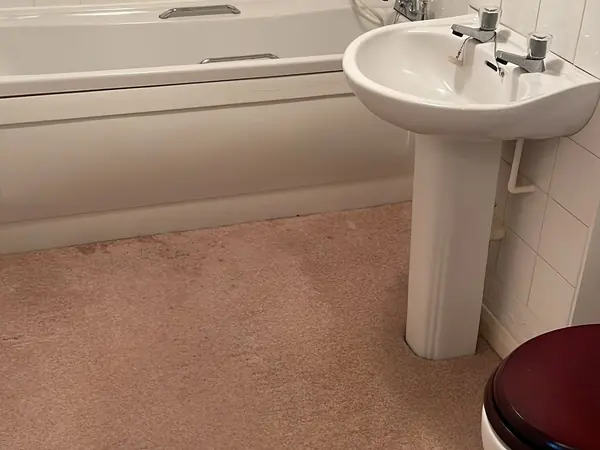
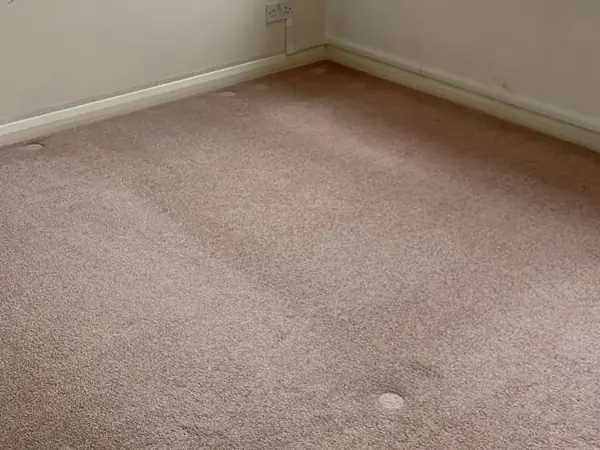
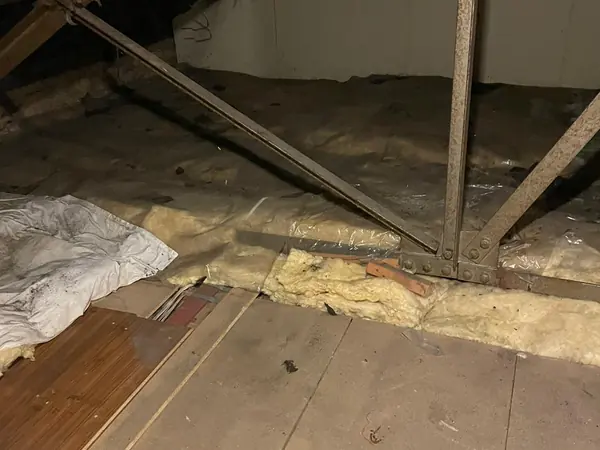
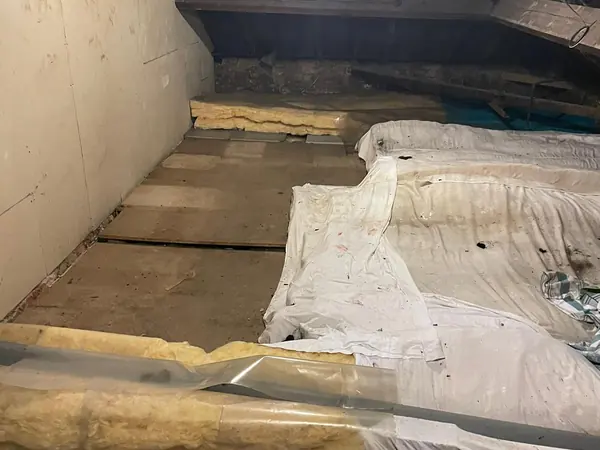
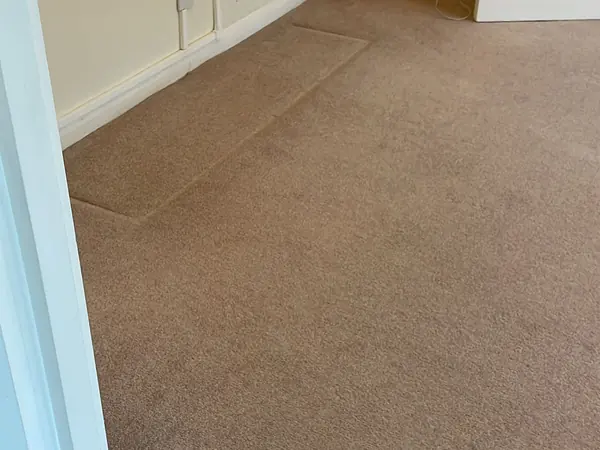
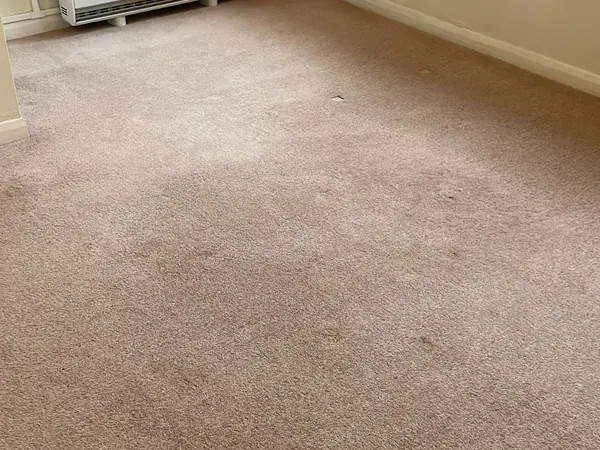
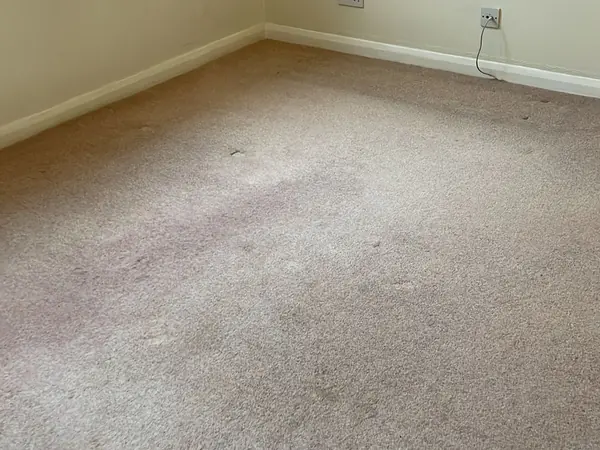
The loft was the bulk of it. Boxes, cases, the usual decades of things put up there for now and never brought down. A clear instruction to take the lot but leave the insulation exactly where it lay. So that is what happened: hatch open, ladder down, two of the team up and down for most of the morning, insulation untouched. Outside, the greenhouse and the garden shed were emptied out. There were weed piles and the related garden rubbish that had been sitting through a season waiting for somebody with a van. Then the cleaners went through behind us, room by room. The place was handed over swept and wiped rather than just emptied.
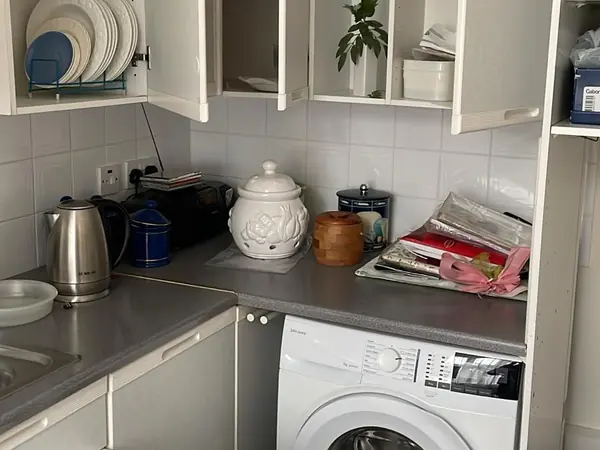
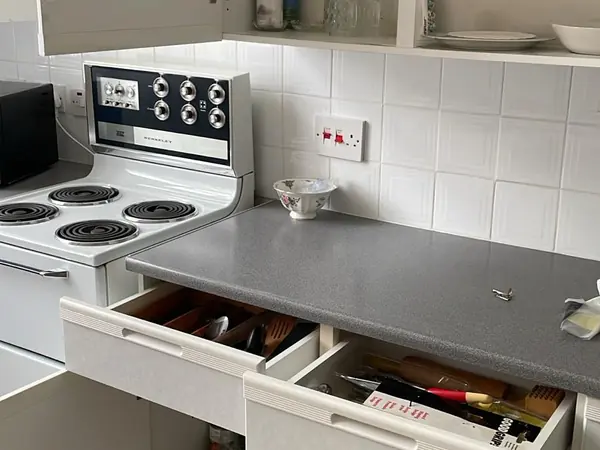
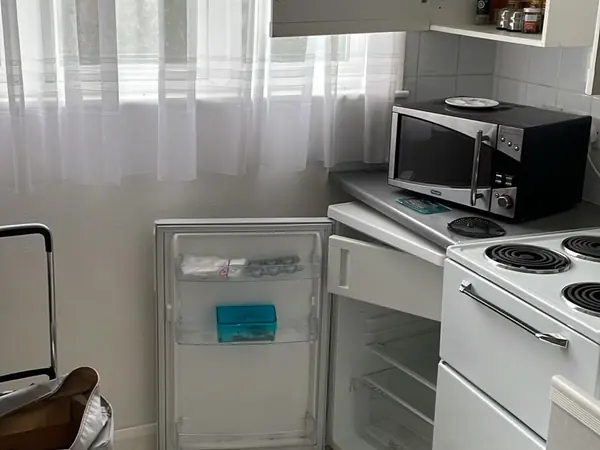
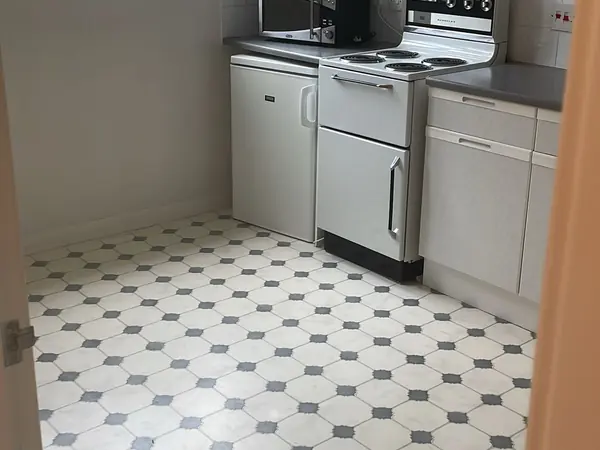
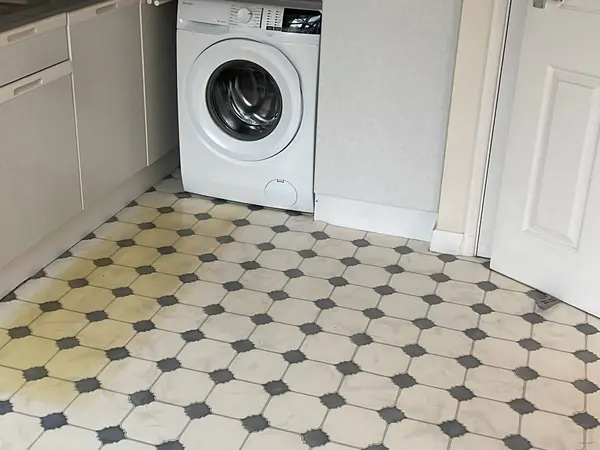
The fiddly part was never the furniture. It was working out what stayed. White goods had been promised to the buyers, and we had it in writing the morning before: "The freezer in the kitchen is to stay along with washing machine and dishwasher." A silver fridge freezer was to stay as well, and the instruction came back plainly enough the second time: "So basically all white goods to stay." Get that wrong and you are buying somebody a new washing machine, so the team walked the rooms with the list in hand before a single thing went on the tail lift. One fridge freezer did leave with us, degassed under supervision at the other end; the silver one was still standing in the kitchen when the door was locked.
Keys were the other moving part. A relative met the crew at nine to let them in, could not stay the day, and needed half an hour's notice to come back and close up. So the call went in well before we finished rather than at the door with the van loaded. Billing was split too: part to the incoming owners, the balance to the solicitors dealing with the estate. That comes up more often than you would think in probate work. It is simply a matter of raising two invoices and sending each one where it belongs.
Getting a van onto the island
There is one road on and one road off. The A3023 drops down from Havant through Langstone, crosses the bridge. Then runs the whole length of the island as Havant Road until it reaches West Town and the sea. That single bridge governs everything about how we plan a Hayling day. In July and August, with the beach car parks filling and the holiday parks changing over on a Saturday, the queue back towards Langstone can add half an hour each way. We're doing that trip two or three times if the house is a big one. So we book island work early in the week where we can. The team leaves the yard accordingly to be with you at nine.
Once you're across, the roads split into two characters. The main spine is fine — wide enough, decent surfaces. But turn off towards Mengham, Eastoke or the lanes down near Sandy Point and it tightens quickly: parked cars both sides, a few unmade stretches. Driveways built for a Fiesta rather than a three-and-a-half tonne Luton. Tell us on the phone what's outside the door. If the van has to sit forty yards away on the verge while the lads walk everything out, that's not a problem, it just changes how long the day runs and we'd rather know beforehand than discover it at half past nine.
North Hayling, Stoke and the older properties up towards the oysterbeds have their own quirk. Long shared driveways, sometimes a gate that hasn't been opened wide in years. Worth a look the night before.
Where we cover from here
Hayling Island itself is PO11, top to bottom: West Town, Mengham, Eastoke, Gable Head, Sinah, Stoke and North Hayling. Off the island we work the same run — Havant, Langstone, Bedhampton and Denvilles in PO9, Emsworth in PO10. Waterlooville with Cowplain, Horndean and Clanfield across PO7 and PO8. All of it sits in Havant borough, in Hampshire. The whole area is close enough together that one team can handle two small jobs in a day if they fall right. If you are just off the island, house clearance in Waterlooville has a page of its own. The same vans cover house clearance in Havant at the top of the bridge, house clearance in Emsworth along the harbour, and house clearance in Portsmouth across the water.
Havant station is the anchor for anyone travelling in to meet us. Direct trains from London Waterloo and along the coast from Brighton or Southampton, then it's a short run down the A3023. Emsworth station is the alternative if you're coming from the Chichester direction. The island's own railway went in 1963; the Hayling Billy line is a footpath and cycle track now. Is lovely for a walk and no use at all for shifting a wardrobe.
The houses here
A lot of Hayling is bungalow country — post-war and sixties single-storey places, plenty of them chalet bungalows with a room and a half in the roof. Fewer stairs than the average job, which the lads appreciate. What they make up for is loft space. A bungalow loft with a proper drop-down ladder collects forty years of boxes, suitcases, Christmas decorations and paperwork. Clearing one properly takes two people the best part of a morning.
Then there are the garages and the gardens. Sailing is in the water here, so along with the usual mower and garden furniture we get asked about dinghy trailers, outboard bits, sail bags, fishing gear and the odd tender that hasn't floated in a decade. Beach hut contents come up as well, over towards Beachlands and Eastoke. None of that frightens us — just mention it when you ring so the right van and the right number of hands turn up.
Kinds of house clearance we do on Hayling Island
Probate house clearance Hayling Island
Most of the estate work here starts the same way: a bungalow, a sale agreed. An executor living somewhere else entirely, dealing with the whole thing by email and telephone. That is normal for us. We take keys from a managing agent, a neighbour or the solicitor's office, ring you when we arrive, send photographs of the empty rooms afterwards, and invoice the solicitor, the trustee or the executor direct. Payment can come out of the estate rather than anybody's own pocket. Our probate house clearance page sets out how estate work runs generally; on the island the only real difference is the bridge and the planning around it.
End of tenancy clearance on Hayling Island
Landlords and agents ring us between lets, often with a fortnight's worth of a tenant's leftovers and a deadline for the next check-in. Furniture out, carpets lifted if you want them lifted, garden and shed included. The property left ready for the inventory. Say up front whether anything is to be left in place. That instruction is worth more to us than any amount of description.
Garage and loft clearance on Hayling Island
Plenty of people don't want the house touched at all. Just the loft, or the garage, or the shed and greenhouse behind it. We do those on their own, and they are worth booking properly rather than squeezing onto the end of another day. A full bungalow loft is a morning in itself.
Flat clearance, single items and rubbish removal
There are flats above the shops at Mengham and around West Town. There are jobs that amount to one wardrobe, one piano or one three-piece suite. We'll come for a single item, and general house rubbish removal is the same team and the same licensed disposal route as a full clearance.
Overfilled houses
Some properties have simply never been emptied. Rooms you can open the door of but not walk into, a hallway down to a single track, wardrobes stacked to the ceiling. We do this kind of hoarder house clearance regularly and there is no lecture and no raised eyebrow from anyone on the team; there is more on our hoarder house clearance page. What we do ask for is honesty about the scale before the day. A house like that is rarely a one-load job and it's better to book two days from the start than to leave you half cleared at four in the afternoon. Photos on your phone are enough for us to judge it.
What can't ride in an ordinary load
Some things are governed by law rather than by us. Upholstered furniture — sofas, armchairs, padded dining chairs, office chairs — falls under the persistent organic pollutant rules. It cannot be mixed in with general waste and has to travel to a facility that incinerates it under permit. That is why it is recorded and moved as its own item rather than tipped in with the load. Fridges and freezers need their gas taken out under supervision before the shell is recycled; same reasoning, handled separately.
Gas bottles we can usually take, as we did on that December bungalow. What we can't put in a mixed van is liquid paint, solvent, thinners, engine oil, garden chemicals or anything with asbestos in it. Old garage roof sheets and artex ceilings being the two that catch people out. If there's a shelf of half-used tins in the shed, say so and we'll tell you which of it we can lift and where the rest needs to go. Havant Borough Council handles the household collections and Hampshire's county-run recycling centres take the small stuff residents bring themselves. Though bear in mind those sites won't accept a full house arriving on a trade vehicle, which is exactly why our loads go through licensed transfer stations instead.
Where the contents go
Sound furniture, working appliances, books, tools and decent household goods get looked at before anything else happens. If there's a local cause that can use it, or a reuse outfit that will take it on, that's where it goes first. A better outcome than a skip, and it makes no difference to you either way. Metals come out for recycling, and paper, card, wood and green waste are separated at the transfer station rather than tipped as one heap. Everything we carry is documented, load by load, and we're registered with the Environment Agency as an upper-tier waste carrier under CBDU419679, with public liability cover in place. Ask for the transfer notes and you'll get them.
What it costs and how we quote
We'd rather give you a figure before we set off than surprise you at the door. The estimate is free and puts you under no obligation. Send half a dozen photos of the rooms, the loft hatch, the garage and the shed, tell us the postcode and whether the van can get near the property. You'll have something in writing back the same working day. Use the form on this page, or ring the office on 0800 046 5555 and talk it through with somebody who has been over the bridge before.
If you're an executor two hundred miles away, we'll take keys from a managing agent or a neighbour, ring you when we arrive, send photographs of the empty rooms afterwards and invoice the estate directly. A good share of our house clearance Hayling Island work runs exactly that way and the client never sees the house at all.
Common questions about house clearance on Hayling Island
How much notice do you need for a house clearance on Hayling Island?
A few days is usually plenty, and we try to put island jobs early in the week so the bridge is quieter. If you are working to a completion date, tell us the date first and we will work back from it.
Can you invoice the solicitor handling the probate?
Yes. We invoice solicitors, trustees and executors direct, and the work can be settled from the estate. We can also split the invoice where two parties are paying, which happens fairly often on a probate sale. There is no deposit and the invoice follows the work.
Do we need to be there on the day?
No. Plenty of our clearances are done with keys collected from an agent or a neighbour. You get a call when the team arrives, and photographs of every empty room before we leave.
Will you clear the loft, shed and garage as well as the house?
Yes, and we would rather know about them when you ring than find them at nine in the morning. Lofts especially — say whether there is a fixed ladder, and whether the insulation is to be left.
What happens to things that could still be used?
Anything sound is set aside for reuse or given to a local cause before disposal is even considered. What is left is sorted at a licensed transfer station, and you can have the transfer notes on request.
Ring 0800 046 5555, or send your photos through the form on this page. We will tell you which day we can be on the bridge.