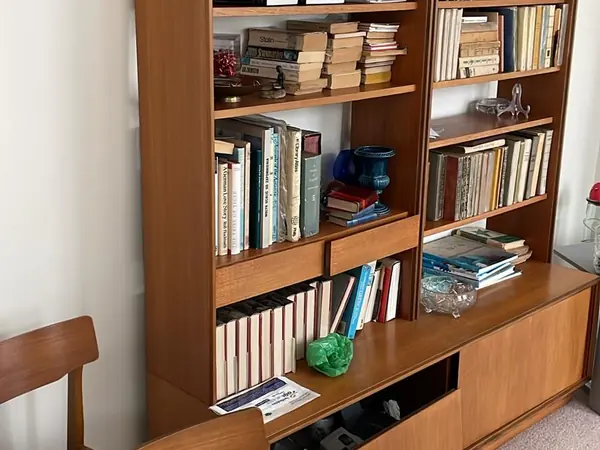
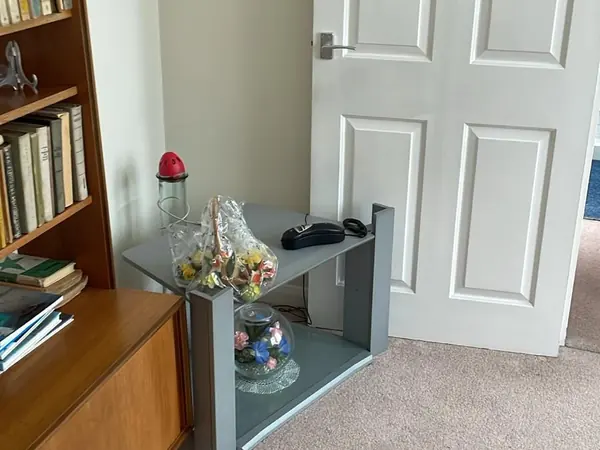
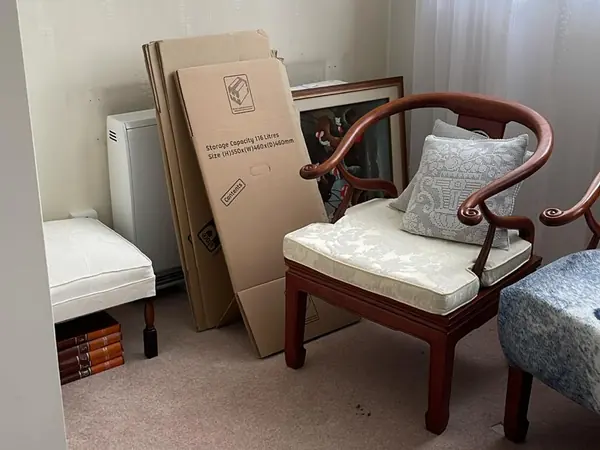
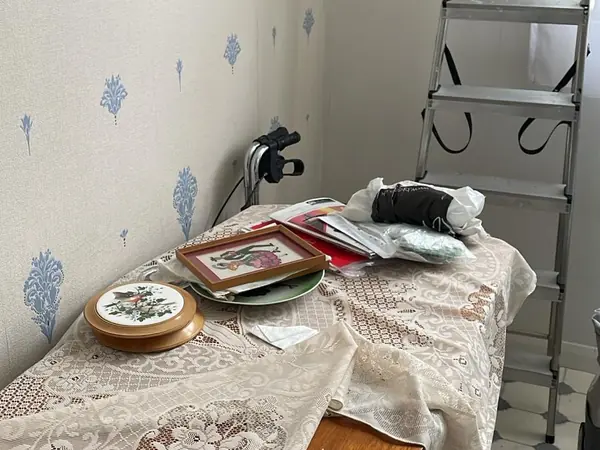
House clearance in Harlow is most of what we do in this corner of Essex. A whole house emptied for an executor who lives three counties away, a garage nobody has opened since 2011, a flat handed back at the end of a tenancy with the carpets still down. We've been at it since 2007. Below are two of our own jobs, and then the unglamorous part: parking, what the van is not allowed to take, who gets the invoice, and which bits of the town we're in most weeks.
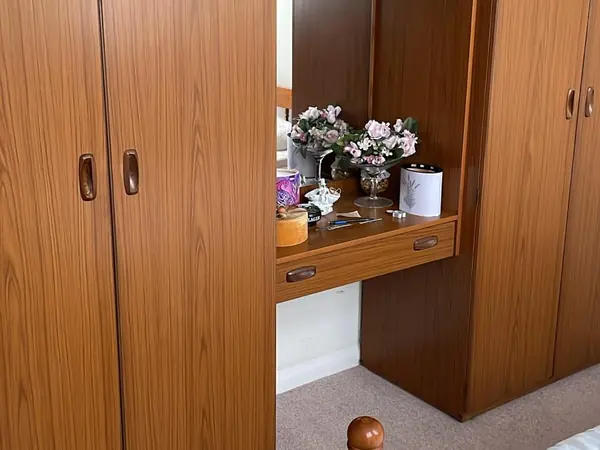
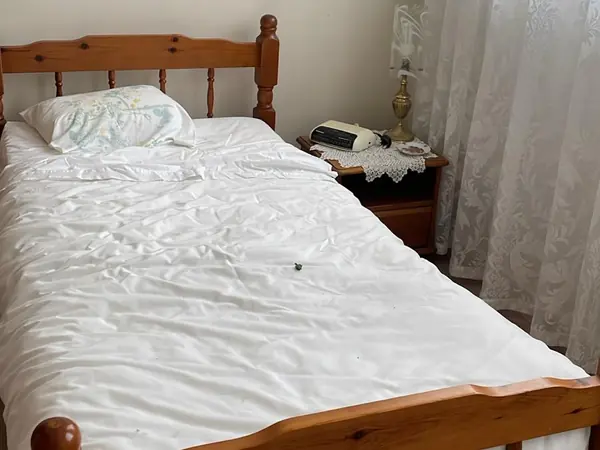
Start with a clearance in CM19, October 2020. A full load out of the property, one mattress on top of it, and an extra pair of hands booked for the day before the van left the yard. We do that when the count of rooms says two men will still be carrying at five o'clock, and it is cheaper on everybody's afternoon than finding out at two. Mattresses don't ride in with the rest. They're kept separate and go their own way at the transfer station, which is why one mattress is worth writing down at the booking stage rather than discovering it propped behind a wardrobe door.
The load itself went over a permitted weighbridge with the paperwork done properly, which is the bit nobody thinks about until a solicitor asks for it. Nothing was left on a verge, nothing went to a field.
The instruction hadn't come from Harlow at all. The person dealing with the house lived over in east London and never set foot in the property while we were there, which is normal for us — key collected, rooms worked through, photographs sent on afterwards, invoice by email. Half the house clearance Harlow work we take is arranged that way, by somebody who has a job and a family somewhere else and one week to sort out a property here.
What stays behind is the customer's call, not ours
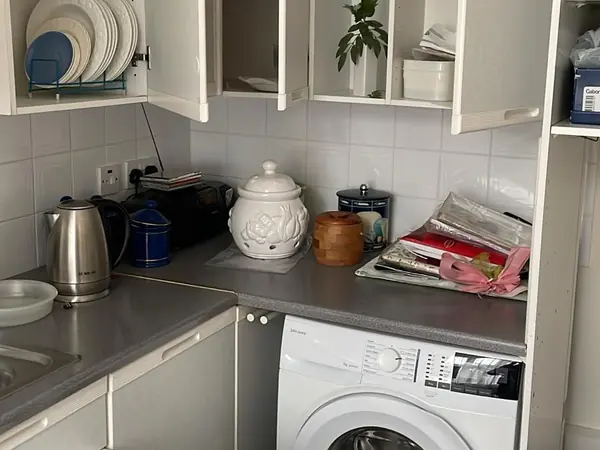
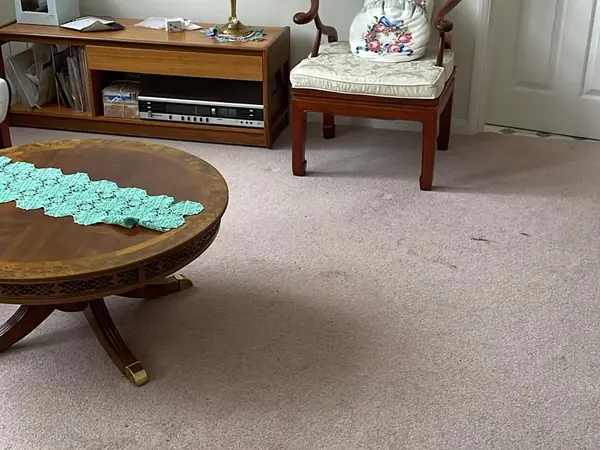
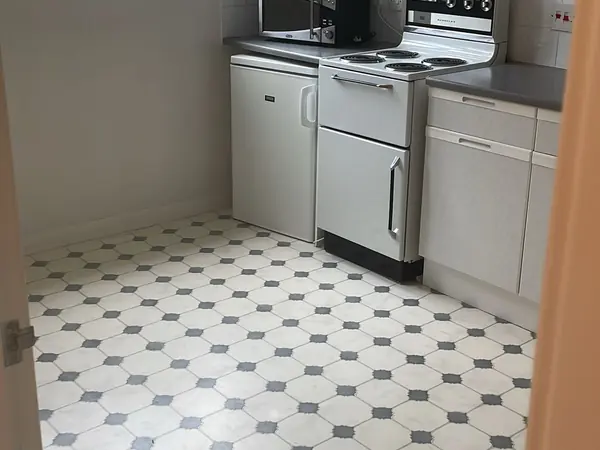
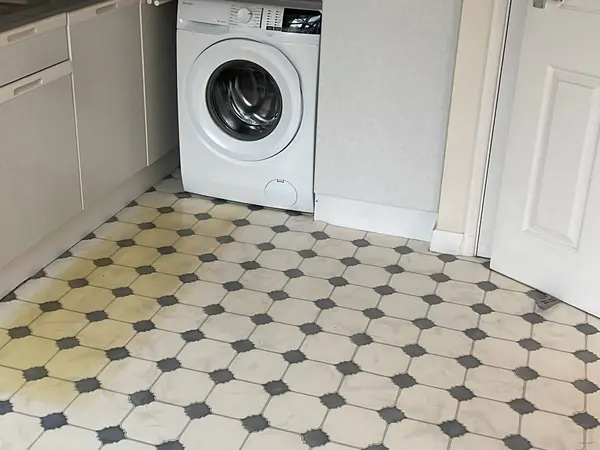
Not everything in a house is ours to take, and the plainest instruction we've ever been given on that came in on a booking form in November 2017. Two bedrooms' worth of contents and some garden furniture, and against the question about appliances the customer had written: "NO all white goods to remain". Against the garden question, "only some garden furniture" — not the shed, not the whole lot, some. So the white goods stayed where they stood, the garden was worked through by pointing rather than by clearing, and nobody had to ring anybody halfway through the morning to check.
That's the useful lesson from it. Tell us what stays before the day and the day runs itself. Kitchen appliances that are staying with the property, a wardrobe the buyer has asked to keep, curtains, light fittings, carpets — all of it is fine, we just need it said out loud rather than assumed. The team leader would far rather leave something and come back for it than take a thing that was meant to stay.
Where the load actually goes
We don't tip everything. Furniture another household would happily use gets offered on to a reuse scheme before it goes near a weighbridge — a solid dining table or a decent chest of drawers is worth more standing up than crushed. Books, china and the odd Royal Wedding tin usually find a home somewhere. The rest goes over the weighbridge at a permitted transfer station.
Some of it can't be mixed in. Sofas, armchairs and padded headboards — persistent organic pollutants, meaning the flame retardants in the foam — so upholstery is kept apart from the rest of the load and sent for permitted incineration rather than landfill. Fridges and freezers are treated as hazardous, because the gas circuit has to be drained by somebody permitted to do it. Paint, solvents, aerosols, gas cylinders and car batteries are their own category again: they leave the property separately and are handed over separately at the other end. That is usually why a garage takes longer than the house it belongs to — half a shelf of half-full tins, most of them a colour that was mixed for a hallway some time in the eighties.
Getting a van to the door here
Harlow was drawn from scratch after the war, and you can still read the thinking in the estates. Houses face footpaths and greens; cars were meant to live round the back in courts and garage blocks, on the assumption that a family would have one at most. Seventy-odd years on, most have two, and those courts are packed. On plenty of streets in CM18 and CM19 the nearest hard standing to a front door is a shared court thirty or forty yards off, with a footpath between it and the house, and somebody's Transit parked across the mouth of it.
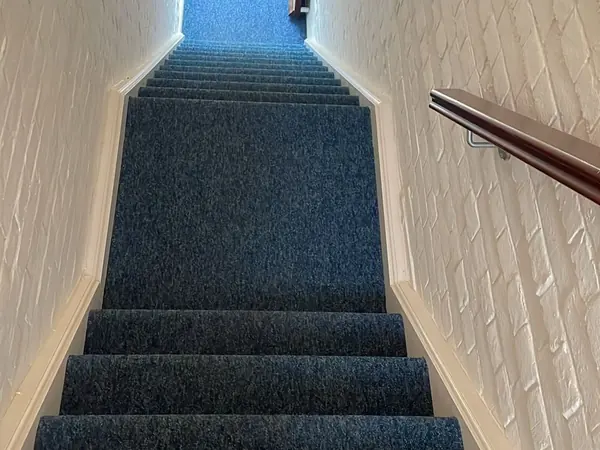
That's fine. We just need to know beforehand, because it changes how the day is planned. The walk is longer, so the team carries rather than trolleys, and we'd sooner load steadily from nine in the morning than block a court at four in the afternoon when everyone is coming home. Up around Old Harlow and CM17 it's the opposite problem: narrow lanes, cars both sides, and a Luton that only just fits between them. Church Langley and the newer closes on the eastern side are easier, though the turning heads are tight.
Terraces here often share a rear service path between several houses. If a garden is going as well. A lawn spreader, a garden incinerator bin, a bag of bulbs that never got planted, the usual back-of-the-shed collection — that path is generally how it comes out, so it's worth checking the gate still opens before the day.
Two more houses, both two loads
A three-bedroom house in CM19 went as a full load with a second load the same day, a fridge freezer and a mattress on top. The person dealing with it lived over at Buckhurst Hill, so again it was arranged at arm's length, by email and a phone call. A studded leather chesterfield had gone soft in the middle and had to be walked out on its end through a doorway it had plainly been carried into as a new sofa decades earlier.
Another, in CM20, was booked by somebody living on the other side of Harlow in CM18 — a fifteen-minute drive away, and still they'd rather someone else did the lifting. Fair enough. Same shape of job: first load, second load, a mattress, a fridge freezer. A recliner with the footrest jammed permanently open went into the van at an angle. There was a Goblin cylinder vacuum in the cupboard under the stairs and a coffee percolator on the worktop, both in working order, both quietly useless to anybody now.
Not every job is a whole house. One booking in CM19 was a single collection — a small load and one mattress, no clearing of rooms at all, just the bulky bits taken off the property and gone. If all you have is a garage's worth, say so; we'd sooner send the right size of job than the biggest one.
What it costs, and how the day runs
Ring the office or send photographs through the form on this page and you'll have a quote before anyone turns up — free, and it commits you to nothing. There's no deposit. The invoice follows the work, once you have seen the house empty, and where an estate is being wound up we invoice the solicitor, the executor or the estate directly, so payment comes out of the estate rather than from anybody personally. Executors ask us that more often than anything else, and the answer has been the same for years.
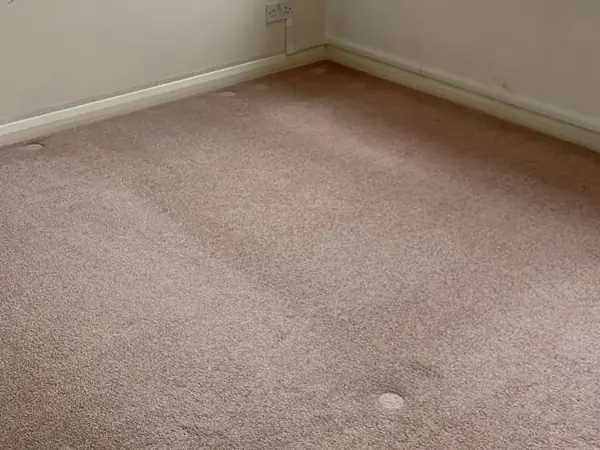
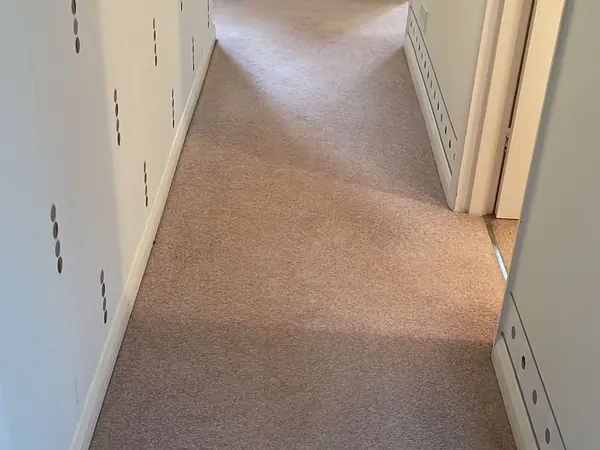
You don't need to bag or box anything first. Drawers, wardrobes and the backs of cupboards get emptied by the team, carpets and underlay come up if you want them up, and the place is swept through at the end. The team leader photographs the rooms before starting and again once they're clear, so there's a record on both sides. The team arrives at nine and the aim is to finish the property that day.
Houses that have quietly filled up over thirty or forty years are routine work here, not a special case, and nobody on the team passes remark on it. Same with a property that's stood empty a while — dust everywhere, cobwebs across the doorframes, a fridge nobody has opened since spring. It gets cleared.
The kinds of house clearance we do in Harlow
Probate house clearance Harlow
Most of our estate work here is probate work, and it comes in two shapes: a solicitor's office instructing us on behalf of an estate, or a son or daughter doing it themselves with the grant in a folder. Either is fine. For a probate house clearance we work to whatever the executor has agreed — sometimes everything goes, sometimes a list of items is set aside for family and collected first, sometimes a valuer has already been through and marked what must not move. Tell us which before the day and it's simple. Photographs of every room before and after go with the invoice, which is what a probate file usually wants, and if the disposal paperwork is needed for the estate accounts we send that too. More on how we handle estates is on our probate house clearance page.
End of tenancy clearance in Harlow
Landlords and managing agents ring us for an end of tenancy clearance when a tenant has gone and left the furniture behind. That's a different job to a probate one — the clock matters more than the contents, because the property needs to be re-let. Tell us the date the keys are due back and we'll say honestly whether we can make it. Usually the bulky items are the whole problem: a bed base that won't go down the stairs in one piece, a three-piece suite, a chest freezer in the kitchen.
Garage and loft clearance in Harlow
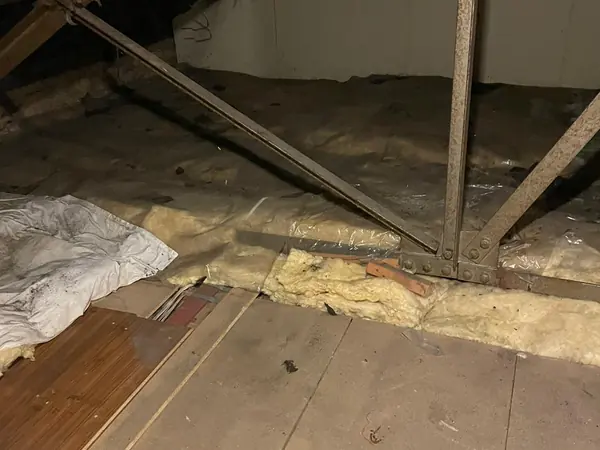
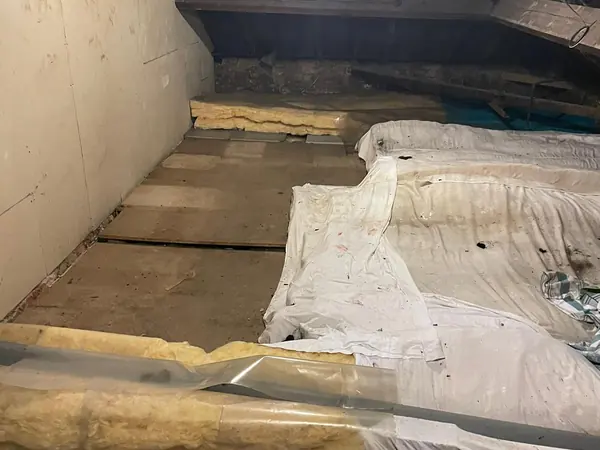
A garage and loft clearance is the commonest half-job we do here, and given how the town was built, the garage is often nowhere near the house. Lofts in the older estates are boarded badly or not at all, so the team works off the joists and passes down rather than carrying. Garages hold the awkward things — paint, a strimmer with old fuel in it, a car battery on the floor — and those all leave separately, as above. If there's no clearing of rooms at all, say so when you ring; a lot of these are a single collection rather than a day's house rubbish removal.
Hoarded and heavily filled houses
Where a house has filled floor to ceiling the work is slower and needs more men, not different men. We go room by room, keep a table for anything that looks like documents or photographs, and hand that back rather than tipping it. Nobody comments, on the day or afterwards.
Flat clearance and hoarder house clearance in Harlow
Flat clearance is a steady part of the work in a new town — the blocks and maisonettes that came with the estates, a shared front door, a stair that turns, rarely a lift. A flat clearance is planned around the carry rather than the contents. A hoarder house clearance is ordinary work here too, and nobody on the crew makes a remark about it: it takes longer, it takes more people, and everything gets looked at rather than shovelled.
The area we work
We cover all four Harlow districts: CM17 for Old Harlow, Church Langley and Potter Street. CM18 for the southern estates around Staple Tye and Bush Fair; CM19 out west through Katherines, Sumners and Great Parndon; and CM20 for the town centre, Netteswell and Mark Hall. Past the town boundary we're regularly in Sawbridgeworth, Roydon, Matching and Matching Green, with Gilston over the river, Nazeing and Hatfield Heath, up towards Bishop's Stortford, and the other way to Hastingwood. We also do house clearance in Epping just down the M11, house clearance in Loughton beyond it, and house clearance in Chelmsford over to the east, which is the bigger town of the two directions and where a fair few Harlow solicitors keep their offices. Junction 7 of the M11 sits right on the edge of the town, so reaching any of it is straightforward.
If you're travelling in to meet us, Harlow Town station is north of the centre on the West Anglia line, twenty-odd minutes out of Liverpool Street and running the other way to Bishop's Stortford and Cambridge. Harlow Mill is the smaller station over on the Old Harlow side. A good number of executors come down for the morning, hand over a key and go home the same day. Harlow Council deals with bulky household collections within the town, and Essex County Council runs the recycling centre on the industrial side — handy for a couple of items, no use at all when a full house has to go.
Questions we get asked about house clearance in Harlow
Can you invoice a solicitor for a probate clearance?
Yes. For probate work we invoice the solicitor, the executor or the estate directly, and payment can come from the estate rather than out of anybody's own pocket. No deposit is taken; the invoice follows the work. If the file needs the before-and-after photographs and the disposal paperwork, they go with it.
Which Harlow postcodes do you cover?
CM17, CM18, CM19 and CM20 — the whole town, from Old Harlow and Church Langley across to Katherines and Great Parndon. Give the office the postcode district and a rough count of rooms and that's enough to quote.
Do I have to be there on the day?
No. Plenty of our house clearance in Harlow is arranged from another county entirely — key from an agent or a neighbour, rooms worked through, photographs sent on when the house is clear. If you'd rather meet the team at nine and leave once they're going, that works too.
What won't you take?
Nothing that needs a different permit to move: no asbestos, no clinical waste, no fuel or oil drums. Fridges, freezers, upholstered furniture, mattresses, paint and gas cylinders we do take, but each is kept out of the general load and handled under its own rules. If you're unsure about something in the garage, describe it on the phone.
Can you do an end of tenancy clearance at short notice?
Sometimes, depending on the week. Tell us the date the keys go back and we'll give you a straight answer rather than a maybe. If we can't make the date we'll say so on the phone.
Do you clear the garden and the garage as well as the house?
Yes, and it's worth saying so at the booking. A garage and loft add time and often a second load; a garden with furniture, pots and a shed's worth behind it is a job in its own right.
Our waste carrier registration is CBDU419679, and we carry insurance for the work. The office number is 0800 046 5555.
Ring with the postcode and a rough count of the rooms — three-bed semi, loft still full, garage you can't get the door open on — and you'll have a price for the day before anyone turns up. One customer, after the booking details had gone back and forth, wrote simply: "Thanks for information. All good." That's about the level of fuss we're aiming for.